


In recent months, we’ve seen the power of the state and how that culture of domination can ruin lives. From Chicago to Minnesota to Waukegan, average Americans have been targets of agents of the state.
Marimar Martinez, a Montessori teacher in Chicago, was shot five times by a now-apparent out-of-control member of the U.S. Border Patrol last fall. Surprisingly, she has lived to tell about it.
Two Minneapolis residents were shot to death by federal agents last month in an attempt to repress anti-immigration protests. Charges against 17 people arrested during demonstrations against Operation Midway Blitz immigration raids around Chicagoland last year have been dismissed as prosecutorial accusations have faded.
It’s all been glimpses of a depressing Orwellian future, not in 1984, but early in the new millennium.
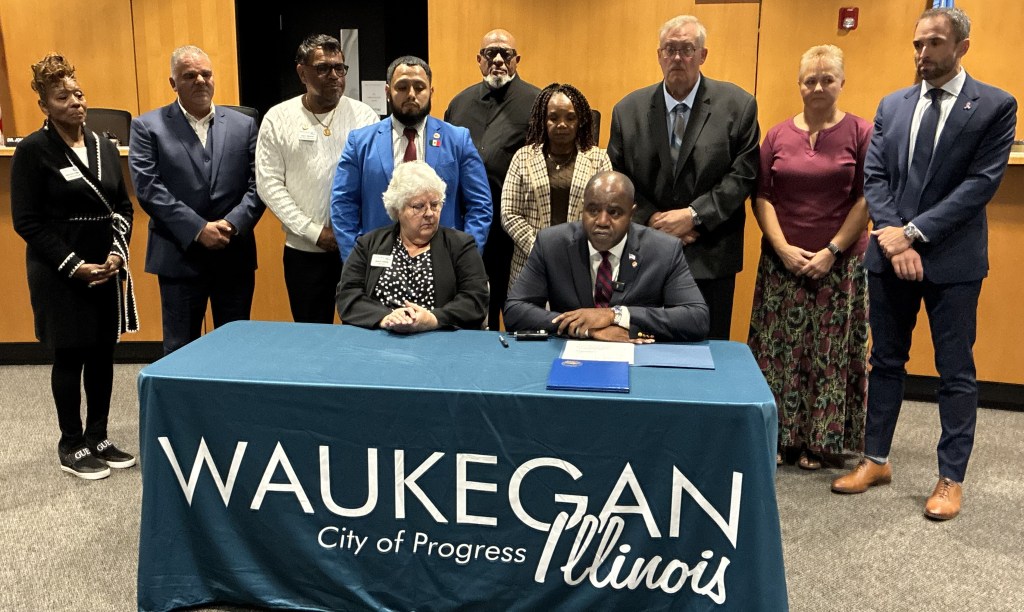
The latest rebuff of state overreach was the dismissal last week of the highly questionable felony case against respected Waukegan City Clerk Janet Kilkelly brought by the Lake County State’s Attorney’s Office. Two Illinois courts have now ruled that the case was shallow from the get-go.
The gist of the 10 criminal charges against a public servant who has had a sterling record of decades of service on behalf of the city taxpayers as clerk and a commissioner of the Waukegan Park District was nebulous, a county judge and appellate panel have indicated.
A Lake County grand jury based Kilkelly’s multi-count indictment alleging official misconduct in 2024 on testimony from an Illinois State Police investigator who allegedly embellished his testimony and seemed to leap to conclusions that never materialized.
Kilkelly vehemently defended her innocence, and the original charges against her were dismissed in November 2024 by Lake County Circuit Court Judge Patricia Fix. The clerk’s attorneys moved to dismiss the charges on the basis that the indictment was procured through false and misleading testimony, among other grounds.
The veteran jurist noted in her ruling, “had ALL the facts been initially known and presented to the grand jury, there would likely have been a different outcome.” Meaning an indictment surely would have been rejected by grand jurors.
That ran counter to State’s Attorney Eric Rinehart’s characterization of the case when the charges were first announced. According to Democrat Rinehart, the Kilkelly indictment was part of an “extensive investigation” into official misconduct and misapplication of funds.
Prosecutors maintained Kilkelly illegally issued five city businesses reduced credits for liquor and video-gaming license fees under a city-approved program during the height of the COVID-19 outbreak in 2020. This was when they owed the city various minor fees.
The ISP detective allegedly told the grand jury that some 80 bars and eateries received city funds from the clerk’s office. That was a completely inflated figure.
Rinehart’s office appealed Judge Fix’s verdict to 2nd District Appellate Court sitting in Elgin, which agreed Feb. 11 with her decision to dismiss the charges against Kilkelly. According to her attorneys, the justices pointed out: “In the present case, the record clearly demonstrates that the State presented deceptive and inaccurate evidence to the grand jury, thereby denying defendant due process.”
The strongly worded “deceptive and inaccurate evidence” doesn’t sound good for those who are sworn officers of the court. Perhaps prosecutors also were misled by the wayward ISP investigator.
When these same state officials pushed for Kilkelly’s prosecution, they never alleged the clerk sought monetary gain for granting the financial breaks. The amount for the quintet of businesses struggling during the pandemic totaled about $6,000.
The appeals court also found that testimony presented to the grand jury through the ISP investigator subjected Kilkelly to a prejudicial denial of due process, and that dismissal of the original charges by Judge Fix was proper.
In a Feb. 11 statement, Kilkelly said, “I am grateful that the appellate court has affirmed what the trial court already determined: That the charges against me should never have been brought. I appreciate the careful review given by the court and the professionalism of my legal team throughout this process.”
While the court case against her continued in the legal system, Waukegan voters didn’t question Kilkelly’s honesty in office. She was re-elected to another four-year term as city clerk in the April 2025 municipal election. The long-time officeholder ran unopposed not only for re-election, but also for renomination in last February’s city Democratic primary.
To reclaim her reputation as an upstanding public official, Kilkelly had to hire two trial law firms and a third to argue the case before the appellate court. Attorneys are expensive, while Lake County taxpayers paid for what many saw as a case of prosecutorial overreach.
Fortunately, defense lawyers and judges at all levels so far in our democracy have become the last bulwark against the weight of the state.
Charles Selle is a former News-Sun reporter, political editor and editor. sellenews@gmail.com. X @sellenews.
